A restaurant garnish gathered along the shores of Glen Lake in the 1980s would unexpectedly help bring attention to one of Michigan’s rarest native plants and set in motion decades of conservation work along the lake’s shoreline.
At the time, Linda O’Neill was working at La Becasse, a French restaurant off Glen Lake that was then owned and operated by her husband, John O’Neill’s family.
“My mother-in-law wanted some garnish for the plates,” Linda recalled. “So I started picking watercress each day for the restaurant.”
One day she unknowingly gathered something else along with it.
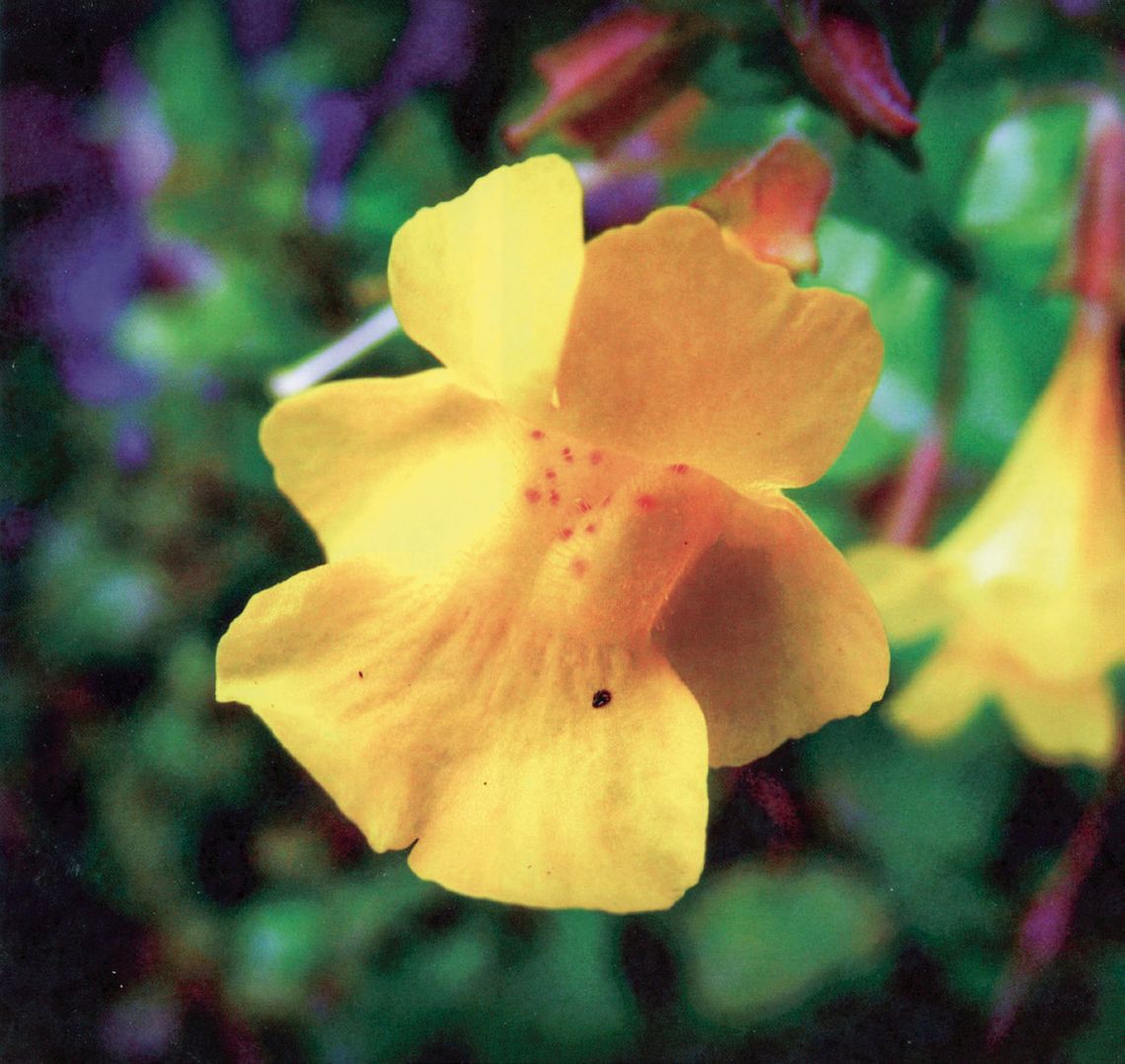
“I picked monkey-flower along with the watercress because it looks so similar. It was put on a patron’s plate, and I guess a botanist was eating there that night and recognized what was on his plate as monkey flower,” Linda said.
The realization that a rare native plant has been served came as a shock but also a turning point.
“It’s a good thing that Linda plucked it out, because it led to the spot being iden- tified,” John said.
That spot, near Old Settlers Park, eventually became central to the preservation efforts after being identified as part of the flower’s sensitive shoreline habitat. In one case, the location of the plant actually helped prevent the development of a nearby property that was being considered for a public boat launch.
The Michigan monkeyflower is a highly specialized, and rare species that grows in aquatic and semi-aquatic environments and depends on extremely specific conditions to survive. There are only 23 known locations of growth in the world and all of them sit within the northwest region of Michigan.
According to Kate Gille, executive director of the Glen Lake Association, those perfect conditions include clean water, cool temperatures, and balanced pH levels. The sandy soil across the Crystal River watershed helps filter runoff, while the forested ridgeline and protected wetlands help maintain the water quality that makes Glen Lake such an oasis for the species.
“But human actions can still directly impact water quality and sensitive species like Michigan monkeyflower,” Gille said. “By adopting best management practices like protecting natural shorelines and regularly caring for the septic systems, the community plays an important role in ensuring this plant continues to thrive.”
Before the discovery at La Becasse, awareness, and therefore care, of the flower was almost non-existent. However, in the years that followed, the preservation efforts of the flower expanded into broader shoreline restoration work around the lake. In the late 1990s and early 2000s, John worked alongside conservationist Jody Marquis and botanist Laurel Voren to restore native shoreline vegetation and remove invasive species.
“It wasn’t just to preserve monkey flower,” he said. “It was to ensure that all the plants there would be native.”
Earlier this month the county Board of Commissioners voted to continue the partnership with Voran for the care of the endangered monkey flower habitat. The contract for 2026 is for $1,300.
The Glen Lake Association also play a vital roles in protecting the monkey flower population at Old Settlers Park. That work is supported in part by grants from the Little Garden Club and partnership with the Leelanau County Parks and Recreation Commission along with local landowners.
Or as John put it, “good conservation is a collaborative effort.”