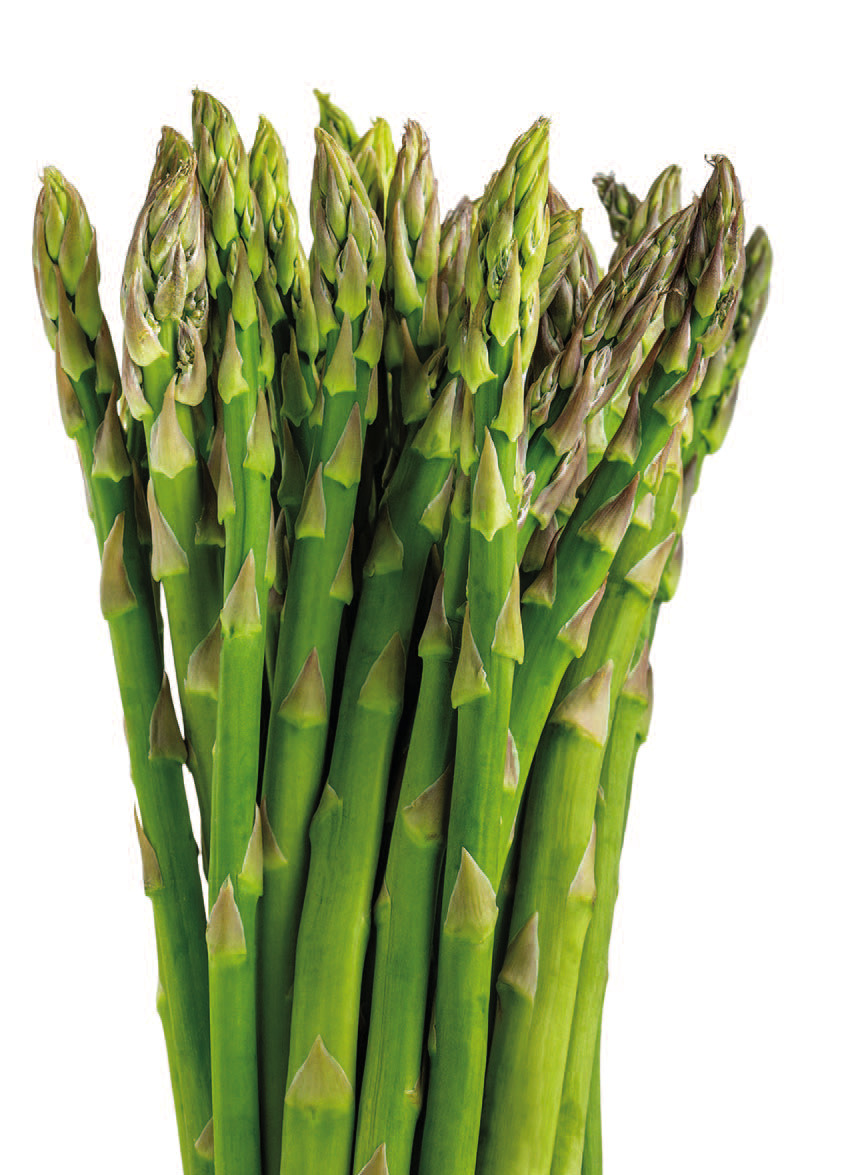
Asparagus Festival returns to Front Street in Empire for the 23rd time this Saturday June 6, bringing all kinds of asparagus treats, live bands and a full day celebrating the green spear.
“It’s a festival for the locals,” event organizer Paul Skinner.
Skinner, who runs the festival alongside Andy Gale from Bay Area Recycling, said that the festival typically draws between 1,500 and 2,000 people and has become one of the area’s most recognizable early summer traditions.
The day will kick off with the traditional Kick- yer-Assparagus 5k Fun Run Walk at 10 a.m. followed by a book sale at the Glen Lake Community Library at 11 a.m. and a recipe contest at noon in the town hall. Local food and drink vendors will be open from noon until 6 p.m. offering classics such as the Spear Beer from Right Brain Brewing and fried asparagus from Arts Tavern.
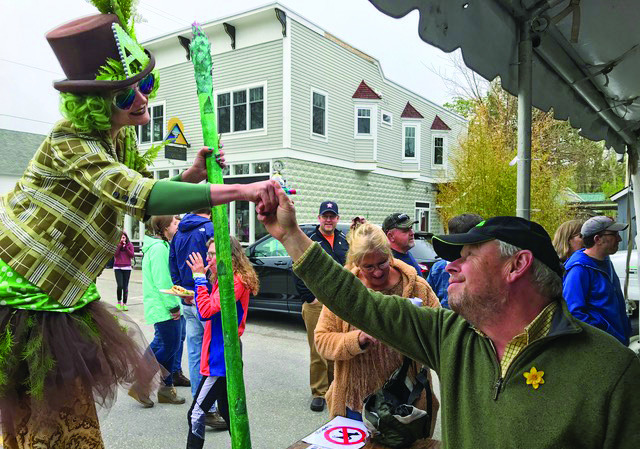
Her majesty the Asparagus Queen will once again be walking on her stilts through the crowd and the poets will gather for the Ode to Asparagus at 2 p.m. at the library.
Skinner said the event has settled into a reliable rhythm over the years.
“We feel as if we’ve found a good formula,” he said. “If it ain’t broke, don’t fix it.”
Held just before the full tourist rush explodes, he commented on how that early summer timing adds to what makes the festival such a special tradition saying, “it is an opportunity for the locals to get together and enjoy some fun time together before the tourists descend on us.”
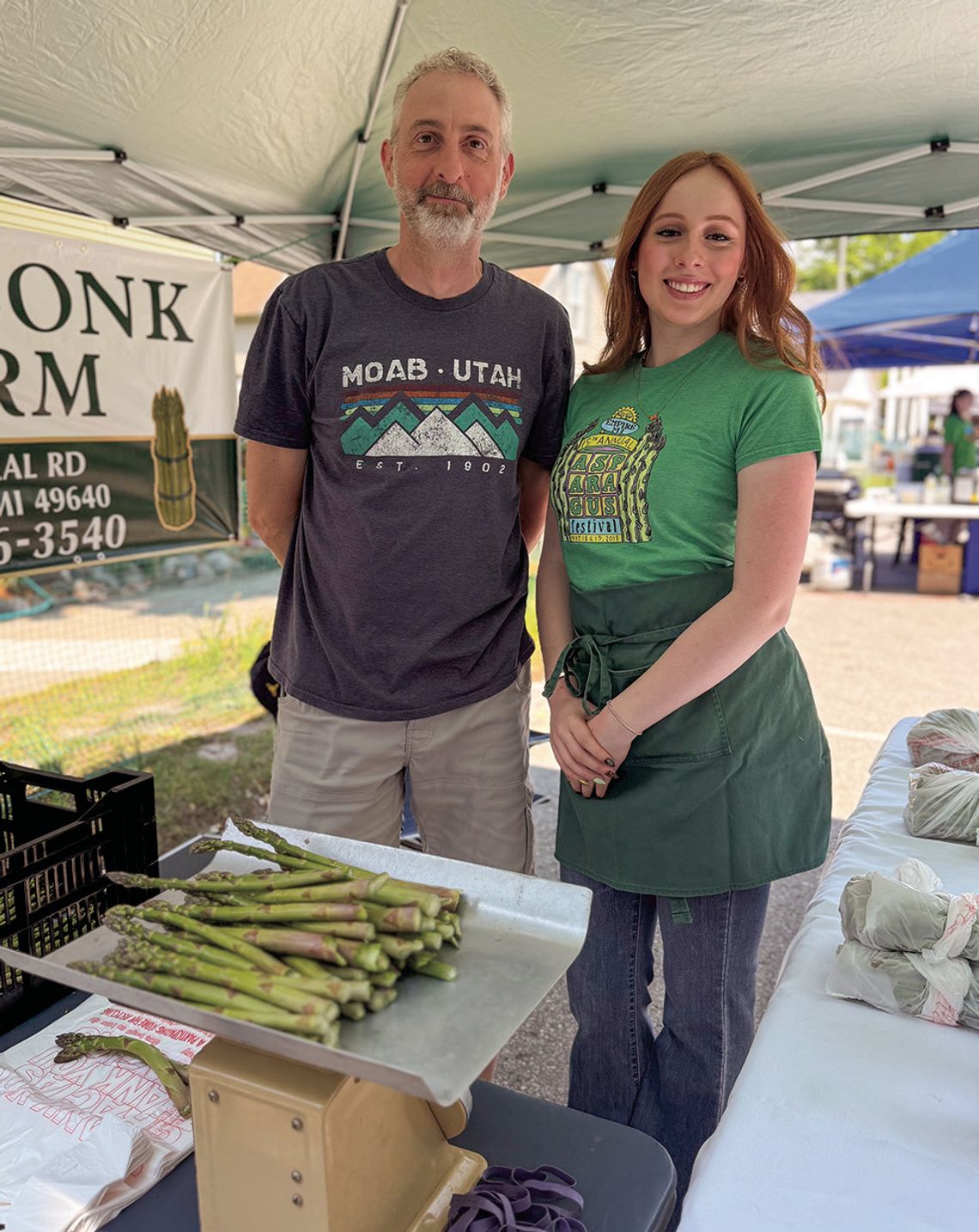
That sense of tradition is also felt at Norconk Farms, where the first asparagus harvest of the year has already drawn in steady traffic to the family’s roadside stands. Dan Norconk, who helps out around his parent’s farm, said the excitement each spring is “nuts.”
“I don’t know if it’s one of those things where it’s one of the first crops of the season and so people are just excited to get something that’s fresh,” Norconk said. He described his dad, Harry, who has grown asparagus on the same farm for the last 48 years as “a very good shepherd of his land,” whose immense care and precision in his work is what makes Norconk asparagus so great. They reported that this year’s crop was slowed slightly by the early frost and dry late-summer conditions last year, but overall has stayed steady. From that crop, the family expects to sell around 240 pounds of asparagus at the festival alone. Just up the peninsula in Suttons Bay more than 50 cheeses will be featured on what co-owner of Leelanau Cheese, Gary Smith, says will be the longest cheese table in Michigan at this year’s Cheese Fest. “We’re just always trying to highlight Michigan agriculture,” Smith said. “The big goal is to get as many Michigan cheeses as possible.”
The fifth annual Cheese Fest begins at 10 a.m. Saturday at Leelanau Cheese in Suttons Bay and runs all day.
The centerpiece, aside from the ever popular Michigan Milk Association mascot, Daisy the Cow, will be the expansive cheese table, featuring artisan varieties from across the state. In addition to the tastings and workshops such as “ice cream 101” and “cheese tasting 101”, visitors will have the opportunity to compete in the Cheese Olympics, tour the creamery, learn from dairy industry experts, explore the cheese market and enjoy some family friendly attractions including face painting and a petting zoo. A food truck from Pigs Eatin’ Ribs will provide lunch alongside samples of raclette melted over potatoes. Smith said the festival is meant to not only showcase cheese, but also connect visitors with Michigan agriculture and the growing reputation of the region’s cheesemakers.
“I’m not trying to toot my own horn, but you have two of the most decorated cheesemakers, us and Idyll Farms in Northport, not only in Michigan, but in the whole United States,” he said. “We’ve won tons of awards, domestically and internationally between the two of us, and there’s a lot of other great cheesemakers in the area.”
Ultimately, the motivation behind the festival is educating and bringing awareness to the strength of both the state and local dairy industry.
“The more excited people are and the more people understand where their food comes from, the more willing they are to support it.”