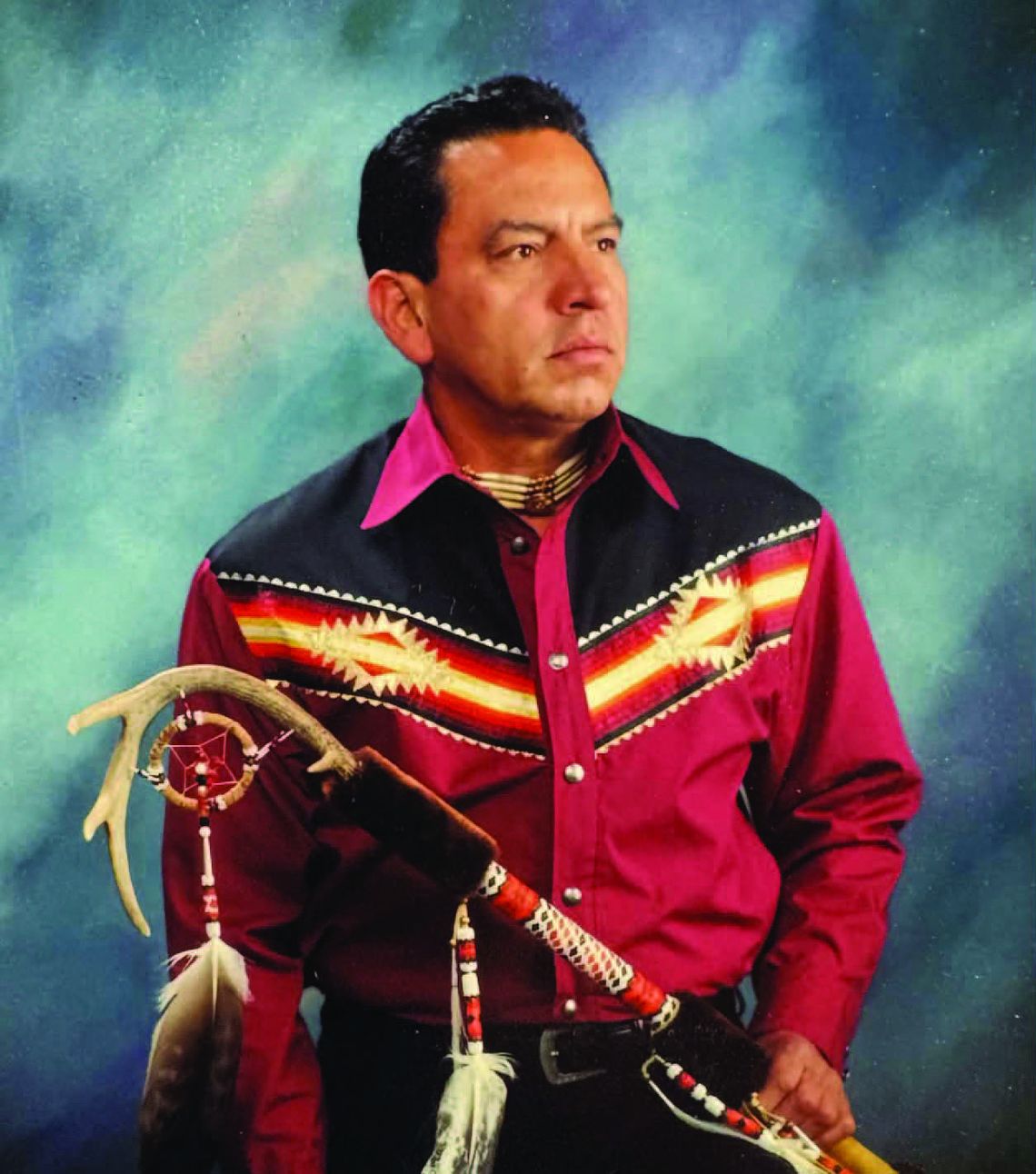
Joseph “Buddy” Raphael, 84, the first elected tribal chairman of the Grand Traverse Band of Ottawa and Chippewa Indians (GTB), passed away on September 5, and leaves behind a legacy of service within the community.
While Raphael’s legacy and accomplishments reaches far beyond his service with the GTB, he served as the tribal chairman from 1980 to 1996 and was later one of seven elected councilors for an additional 16 years. According to his obituary, he was one of the original advocates for Indian gaming for Michigan Tribes, establishing the Leelanau Sands Casino in 1983 and introducing slot machines in the 1980s despite threats of individual prosecution from the U.S. Attorney.
“His commitment to the Tribe was evident in the numerous personal legal risks he took to advance it. His commitment to family, community, and tribe required nothing less, and it was grounded in deep compassion for all; he genuinely cared for and loved people,” part of Raphael’s obituary stated.
He was also a community developer for urban Indians in the 1970s, the obituary states, and he supported Indian fishing rights on the Great Lakes. Raphael and other GTB members pushed for the reestablishment of the GTB as a federally recognized tribe, which was achieved in May of 1980. He later served as its first tribal chairman and worked to re-establish the GTB as a functioning tribal gov- ernment while also opposing federal and state attempts to limit tribal sovereignty.
In addition, Raphael was active in the Grand Rapids Indian community and he relaunched native Pow-Wows (Jiingtamok) and became an Indian rights activist. Raphael’s obituary states that he provided support for the Wounded Knee Occupation in 1973, and his wife, Judy, was born on the Rosebud Sioux Reservation and knew the alternative routes to avoid U.S. blockades of Wounded Knee.
A U.S. Army veteran, Raphael was honorably discharged at Fort Sill, Oklahoma, and he then owned a tavern in Lawton, Oklahoma that served the Kiowa and Comanche. Raphael’s obituary states that he returned to Michigan in the early 1960s, where he worked as a fruit picker, factory worker, and an Indian crafts trader — in which its noted that he advocated for the free-trade provisions of the Jay Treaty despite facing arrest and the seizure of his trade goods.
The GTB tribal chairwoman could not be reached for comment about the passing of Raphael by press time.